As the end of the school year gets closer, deadlines, exams, and the stress that comes with them start to pile up fast. With longer, higher-pressure study sessions ahead, here are a few simple ways to help you stay focused and make the most of your time.
Proper fuel for your study sessions is key, and the trick is choosing a fulfilling snack. Choose foods that combine complex carbohydrates with proteins and healthy fats. Your body digests complex carbohydrates slowly, allowing a gradual release of energy that helps you stay fuller for longer. These carbs are found in foods like beans, whole grains, and vegetables. Combining them with protein and fat sources will create a satisfying, long-lasting energy source.
For easy options, here are a few snacks you can find in Herbie’s Market locations on campus:
- Oatmeal and fruit- Prepare your oatmeal with milk to add protein. Finish with fruit for natural sweetness and added nutrients
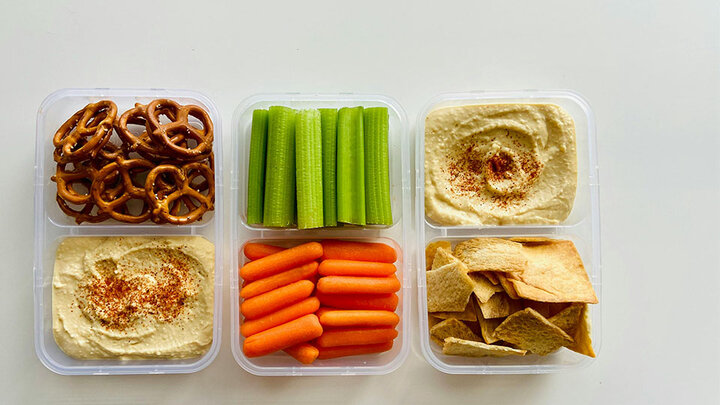
- Hummus with pretzels- A protein snack balanced with fiber and healthy fats to keep you satisfied between meals.
- Apple with peanut butter- A classic combo for a reason. A source of quick energy, fiber, and protein.
- Yogurt with granola- Probiotics from yogurt are a great snack especially if you suffer from a nervous stomach.
- Popcorn and almonds- Popcorn is a whole grain and an excellent source of fiber. Nuts contain healthy fats that are important for our brain.
Along with what you eat, hydration matters too. Even mild dehydration can make it harder to concentrate. A general goal is around 9-13 cups of fluids daily, but your needs may vary.
Caffeine can be helpful in small amounts, but it’s easy to overdo it, especially during finals. Try to keep your intake under 400 mg per day to avoid side effects like poor sleep, irritability, or headaches.
It’s important to give your brain a break. Take a walk around campus, visit Campus Rec, or enjoy the end-of-semester events with Big Red Finale.
Studying for finals can feel hectic, but a little planning goes a long way. Keep snacks on hand, stay hydrated, and build in movement and rest to get the most out of your study session.
Want more nutrition facts and tips for eating in campus dining centers? Connect with Ellyn McCarter, registered dietitian/nutrition manager with University Dining Services at emccarter2@unl.edu.